FROM THE WORKBENCH
Good ideas take shape.
Practical notes on paper, fit, project choices and the decisions that appear between a measurement and a finished fold.
Paper & fit
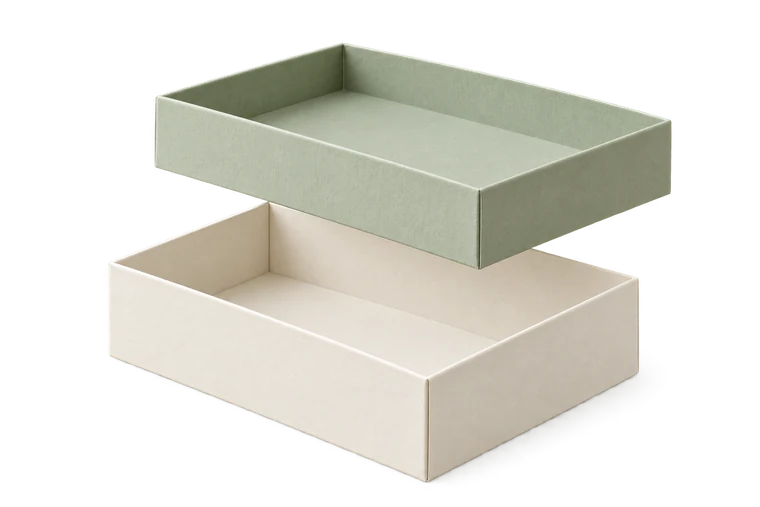
Card thickness and lid clearance
A lid needs room for the base walls as well as the clearance you choose. Here is one small, explicit estimate.
Read the guideMore from the workbench
Choosing a box
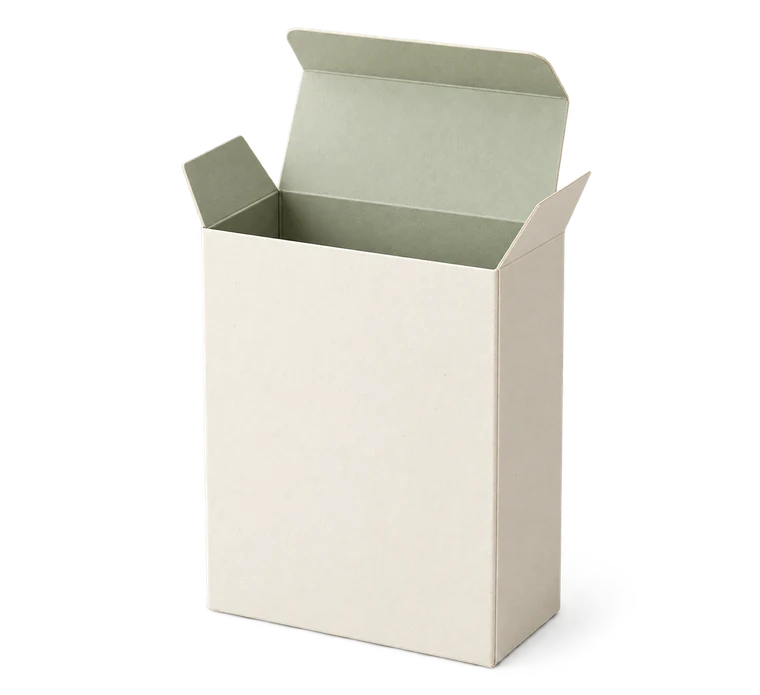
Tuck box or two-piece box?
Compare two ways of opening the same rectangular object without assuming either construction is always the better choice.
Project ideas
A box for a deck of handmade cards
A deck needs a measured stack height and a usable opening, not just the nominal width and height of one card.
Project ideas
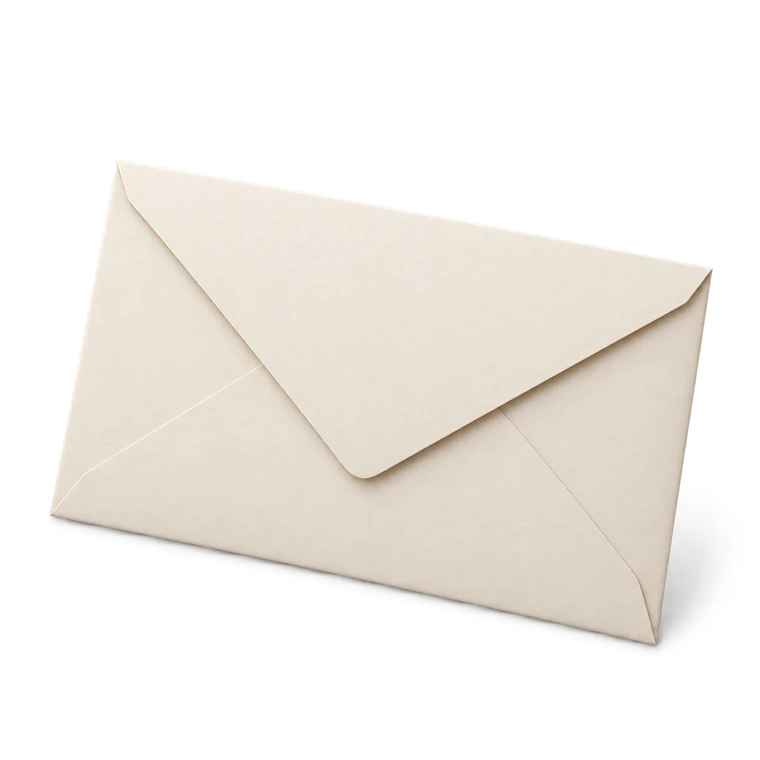
An envelope for a card and an insert
Treat the card and its extra sheet as one set, then keep the glue outside the pocket they need to occupy.
Project ideas
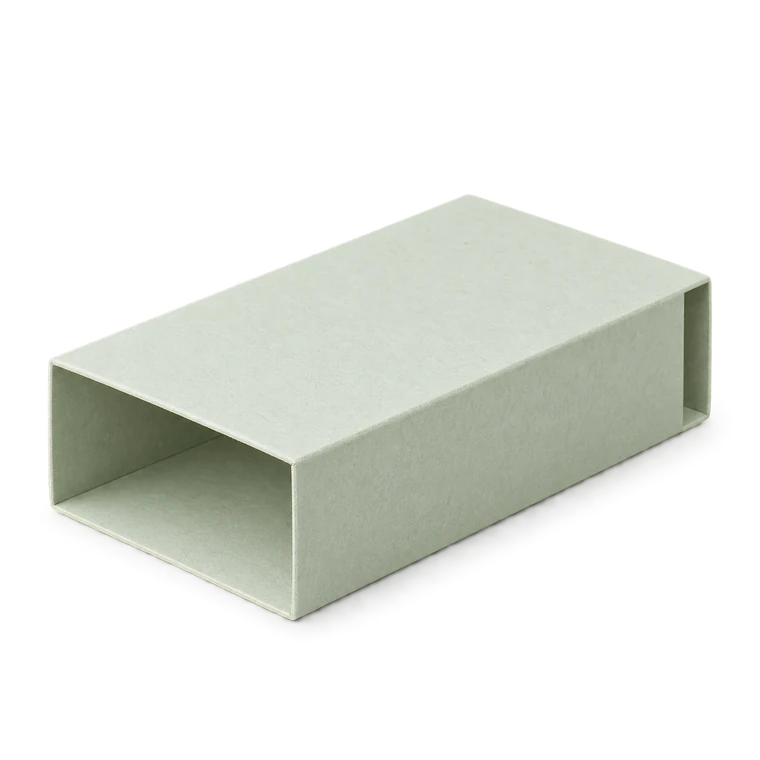
A sleeve for a handmade notebook
A notebook sleeve depends on the closed book's thickness, its cover corners and the amount of spine you want to show.
Project ideas
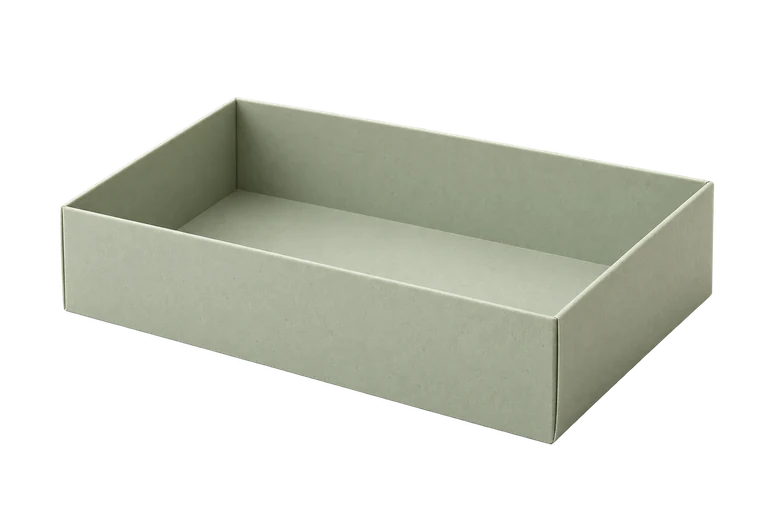
Shallow trays for a desk drawer
A set of shallow trays works better when the drawer layout includes wall space and a way to lift each tray out.
Project ideas
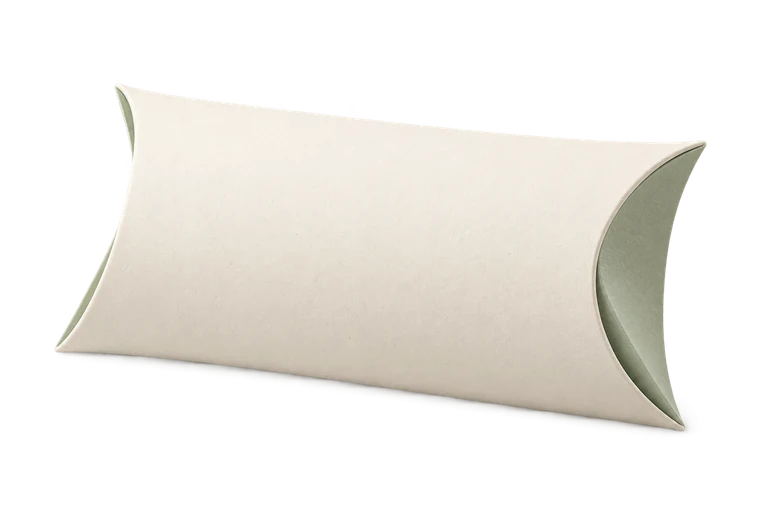
Small gifts in pillow boxes
A pillow shape can suit a small gift, but its curved interior needs a trial around the actual object.
Project ideas
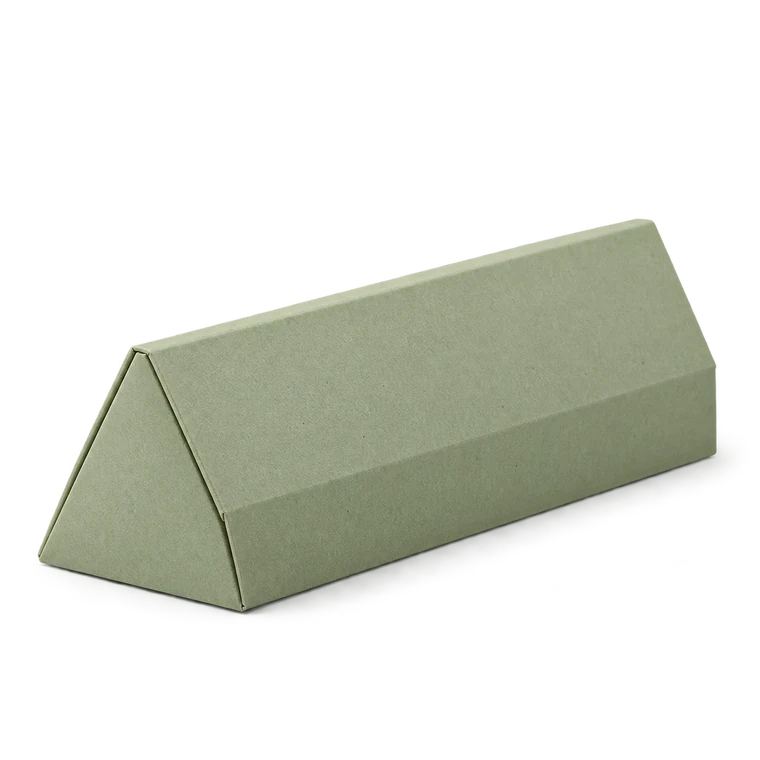
A triangular box for a small keepsake
A triangular package is defined by its section, so compare the object with the sloping sides before making a full-length model.
Project ideas
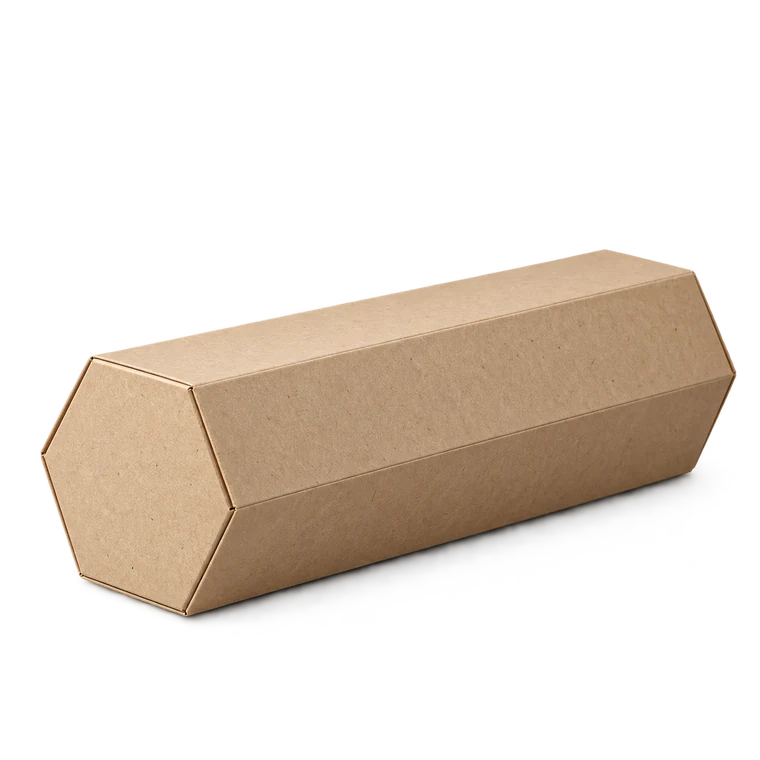
A six-sided box for a small gift
A six-sided package has two useful widths. Choose the one that actually limits the object before selecting the side length.
Project ideas
Where should a sleeve seam sit?
A seam can be visually quiet and still affect the inside of the sleeve. Plan both its appearance and its overlap.
Paper & fit
Paper weight is not paper thickness
The number on a paper pack usually describes mass per area. The box model needs a different property when it asks for thickness.
Paper & fit
Why cardstock cracks at a fold
A damaged fold can come from the material or the way it is scored and bent. Diagnose it on scrap before changing the net.
Printing
Portrait or landscape for a box template?
Rotate the paper calculation while keeping the template's physical dimensions fixed.
Paper & fit
The same box in two different papers
Duplicate the project and change the material assumptions deliberately, keeping the object's measurements available for comparison.
Project ideas
Keep a useful record for the next box
A useful project record preserves the inputs and the reason behind them, not just a picture of the finished box.
Choosing a box
Plan which face becomes the front
Trace the panel order on a plain model before placing artwork on the flat template.
Ready to make something?
Set the dimensions, preview the folds, and print a template at actual size.