NOTES FROM THE WORKBENCH
A box for a deck of handmade cards
A deck needs a measured stack height and a usable opening, not just the nominal width and height of one card.
Reviewed October 27, 2026
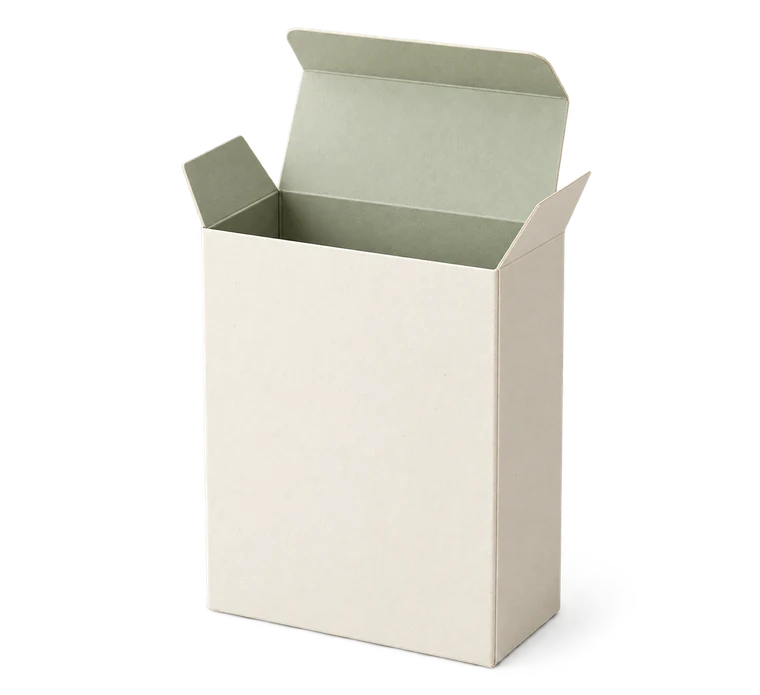
Measure the complete deck
Assemble every card that belongs in the pack, including dividers, instruction sheets and protective sleeves. Let the stack settle naturally on a flat surface. Measure its width, length and height at the widest relevant points.
Cards made by hand can vary slightly at the cut edges. A curled or rounded corner may catch a close-fitting box even if most of the stack fits. Keep those differences visible in your notes rather than reducing the measurement to an ideal card size.
Choose which end opens
A tuck box can load the deck through a narrow end, while a two-piece base lets you lift it from a broad face. Think about the person taking out the last few cards, not only inserting the full stack.
For a hypothetical 65 × 90 × 18 mm deck, those three numbers describe the object. They are not a universal box setting. Add the deliberate access space you need, then select the generator whose fields match the inside target.
Check the closure with the cards present
Print a first version at actual size and confirm the ruler before cutting. Fold it from the intended card if possible. A thinner scrap can reveal the opening sequence but cannot prove the final stock's fit.
With one end closed, insert the deck without pressing its corners. Close the other end and reopen it. Check whether the tuck tongue bears on the top card or whether the lid can be lifted without pulling the whole base upward.
Keep a useful version name
Name the project for the deck, orientation and material. If you change the number of cards later, duplicate the project and remeasure the stack height rather than changing every dimension by the same percentage.
Download a JSON backup after a useful revision. It preserves the input decisions; the next physical sample still needs a print-scale and material check.
Ready to make something?
Set the dimensions. Check the folds. Make a small test box.