Guide
Measure an object before making a box
Record the whole object in its intended orientation before choosing dimensions for a box.
Reviewed October 27, 2026
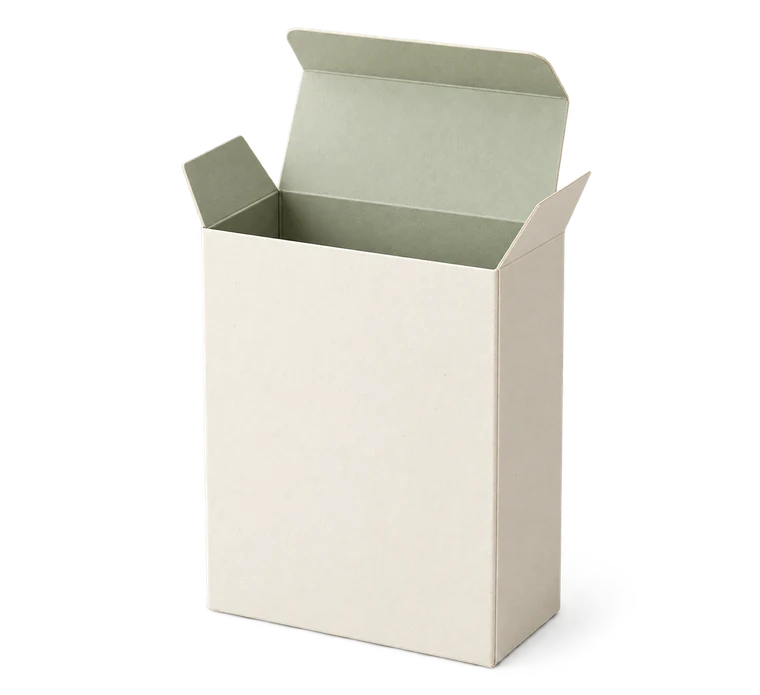
Measure the packed object
Include the wrapper, ribbon, cover, insert or protective layer that will actually be inside. Use the largest occupied length, width and height. A projecting corner or folded spine matters more than the nominal size printed on a label.
For a deck of cards, stack the complete deck naturally rather than multiplying one card's thickness. Measure at more than one place if the stack is uneven. Do not squeeze it flat just to obtain a smaller number.
Choose how it enters
Decide which face should be uppermost and which end will be used for loading. A long object might fit inside a carton but fail to pass the opening comfortably when held at an angle. For triangular or hexagonal structures, compare the object's cross-section with the polygon, not just its enclosing rectangle.
Sketch the measurements with labels. Keep the physical object beside the page as you enter the values, especially when rotating it between measurements.
Add room deliberately
An object measurement is not automatically a comfortable cavity measurement. Decide how much room you need for insertion and removal, then keep that choice separate from paper thickness. Do not add an allowance twice when a tool already provides a per-side clearance field.
Save the raw object measurements in your notes and make a trial with the intended material. If the trial is tight, first verify its print scale and dimension mode before changing the fit allowance.
Ready to make something?
Set the dimensions. Check the folds. Make a small test box.