Templates
Templates for cards and stationery
Find a flat envelope, a sliding sleeve or a deeper box for the complete stack.
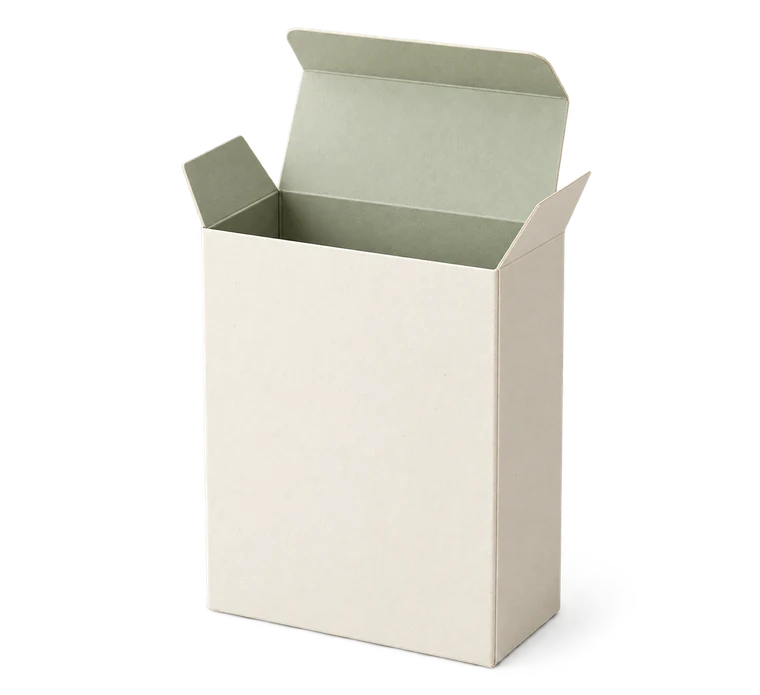
Tuck box
A one-piece carton with tuck-in closures.
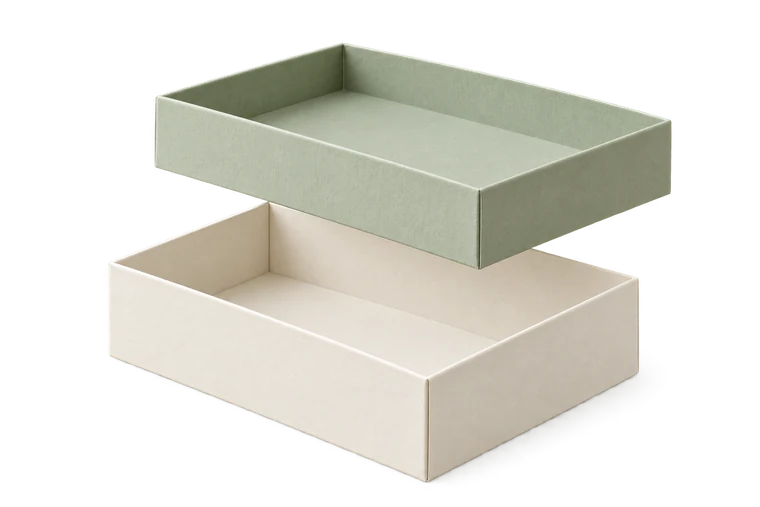
Two-piece box
A separate base and lid with adjustable clearance.
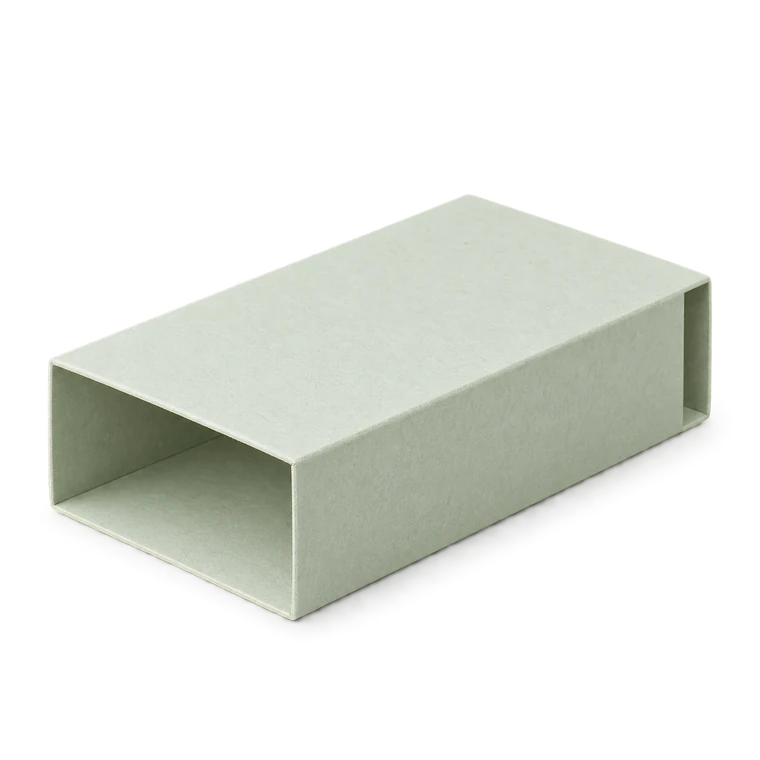
Sleeve
An open-ended wrap for a measured object.
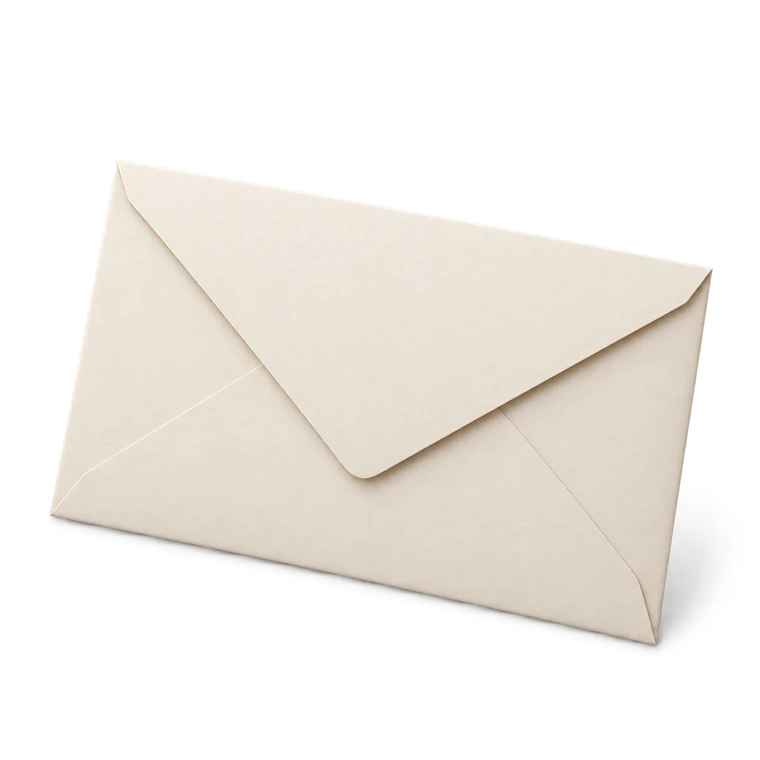
Envelope
A flat pocket and flap for cards and notes.
Distinguish one card from a deck
Use an envelope for a card with a modest insert. A thick deck has a third measurement and often suits a tuck box or a two-piece box better. A sleeve keeps a notebook or card box partly visible while leaving both ends open.
Measure the assembled stationery, including folded spines, tabs and protective wrapping. A nominal sheet size does not describe the thickness of a finished booklet.
Try two different layouts
For a 100 × 70 mm flat card and insert, the envelope example adds 2 mm at each edge to make a 104 × 74 mm body. For a card deck, measure the settled stack height separately and enter all three dimensions in the tuck-box generator.
A notebook sleeve needs the closed notebook's cross-section and the length you want covered. Place the seam away from the intended front and check that the cover corners can slide through the opening.
Check before decorating
Print and fold an unprinted sample of the same material first. Mark front, back and opening on that sample. This avoids placing artwork upside down on a closing flap or discovering that glue has narrowed the usable pocket.